18 Fascinating UNESCO Sites to Explore on Expedition

A UNESCO World Heritage site can be a single castle, an ancient city or an entire archipelago. What unites these diverse places is their significance to our shared human history and the natural world. With National Geographic-Lindblad Expeditions, UNESCO World Heritage sites are often integral to the journey, offering windows into the cultural and environmental forces that have shaped a destination.
Experience this heritage firsthand as you walk among 1,000-year-old Norse ruins in Newfoundland, sail beneath active glaciers in Alaska and Greenland, explore historic cities in Europe and Asia, and discover the Galápagos Islands, one of the very first places inscribed on the World Heritage list. Here are 18 extraordinary sites to experience on an expedition.
L'Anse Aux Meadows, Newfoundland
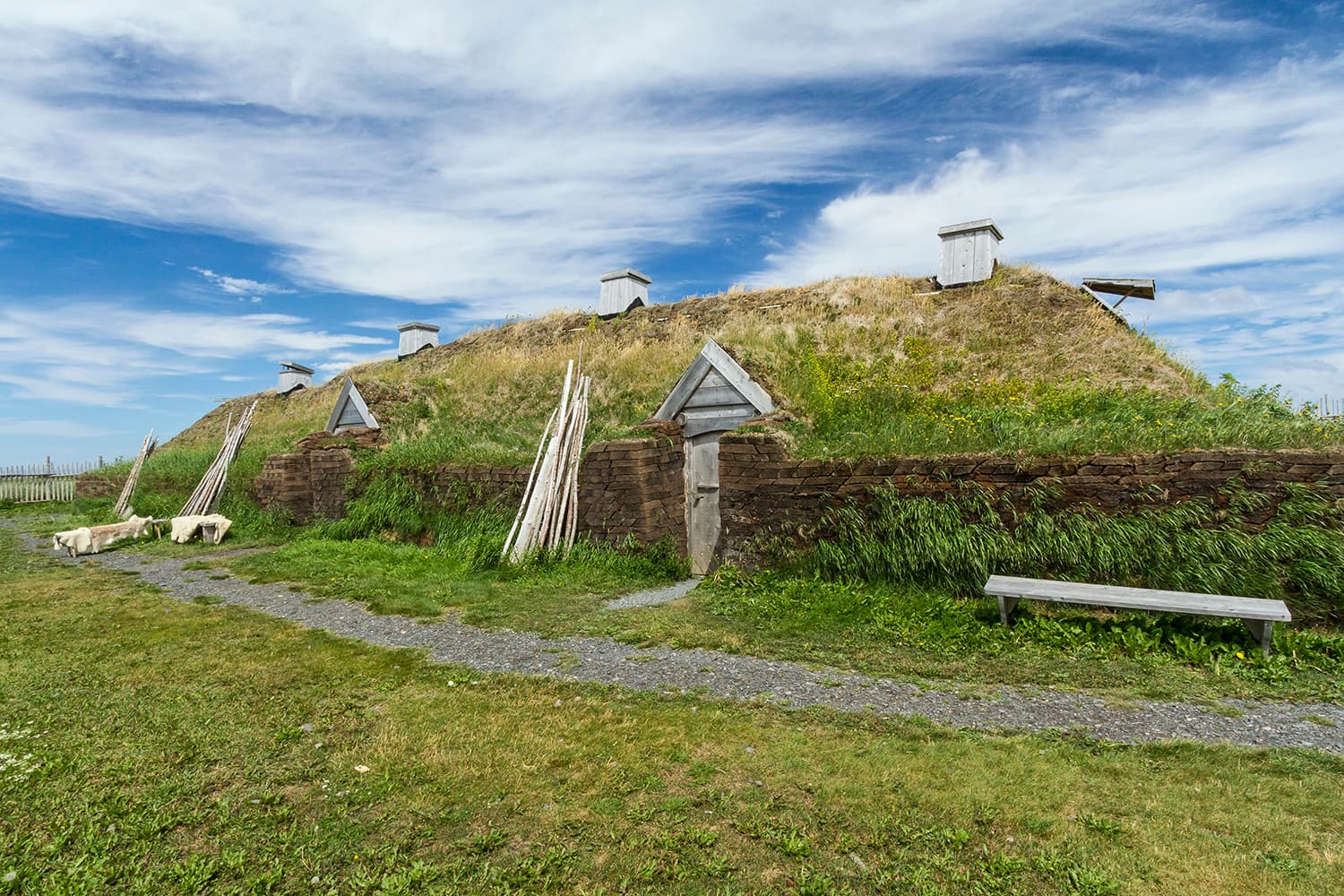
Five centuries before Columbus crossed the Atlantic, Norse sailors had already made the journey—and built a settlement at the northern tip of Newfoundland. L’Anse aux Meadows is the earliest known evidence of Europeans in North America and the only confirmed Norse site on the continent—a milestone in the history of human exploration.
Today, the traces they left behind are surprisingly tangible. Walk across the windswept landscape to the excavated remains of wood-framed, peat-turf buildings similar to those found in Norse Greenland and Iceland. The modest structures belie the magnitude of what happened here: Around 1,000 years ago, seafarers crossed an ocean and connected two distant parts of the world.
Explore L'Anse Aux Meadows on:
The Canadian Maritimes and Newfoundland
Fabled Lands of the North: Greenland to Newfoundland
Marae Taputapuātea, French Polynesia
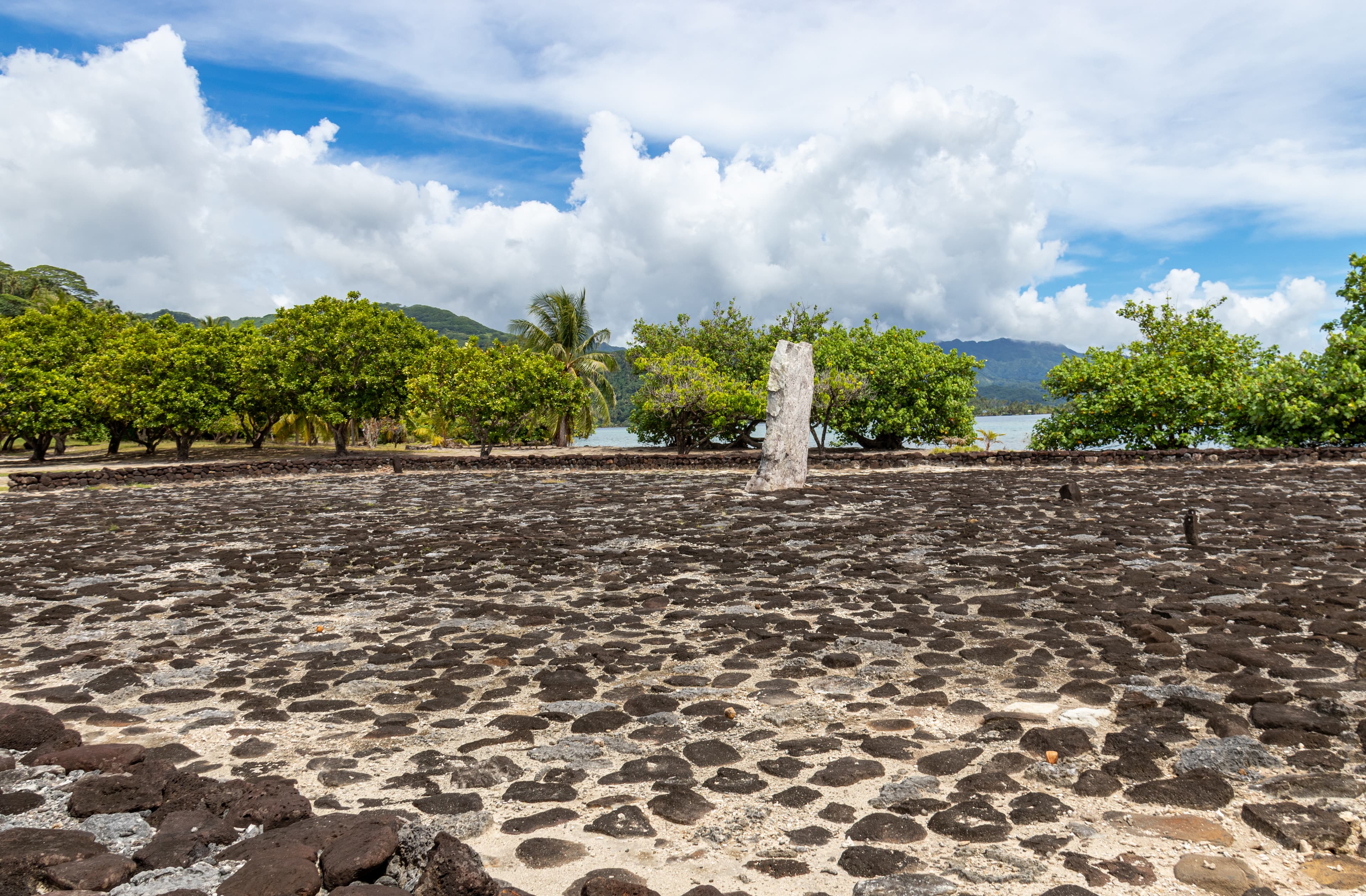
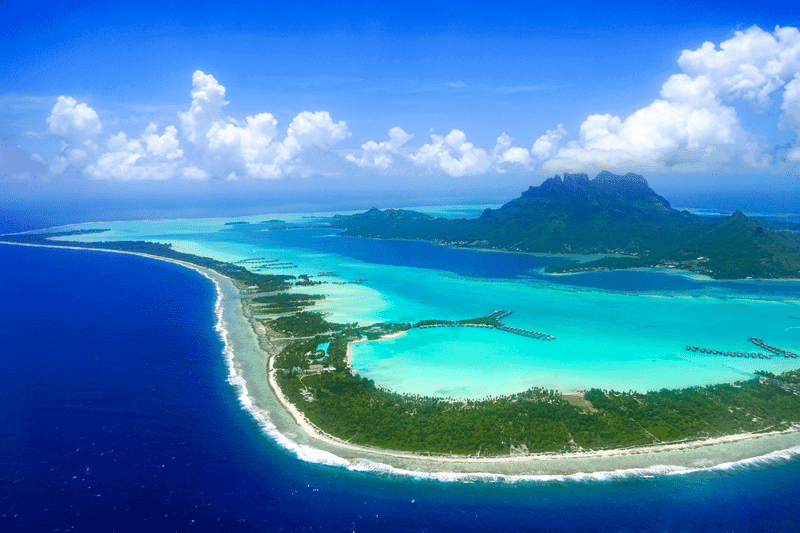
Hawaii, New Zealand and Easter Island mark the distant corners of the Polynesian Triangle, an immense expanse stretching across millions of square miles of Pacific Ocean. Near its center lies the island of Ra’iātea, home to Marae Taputapuātea, a sacred complex that drew voyagers from across this vast ocean world for centuries. UNESCO recognizes the site as a testament to 1,000 years of mā'ohi (native Polynesian) civilization.
Its stone marae were places of ceremony, politics and pilgrimage, where the living were believed to meet gods and ancestors. Standing among them today, with forested valleys behind you and lagoon, reef and open Pacific beyond, the landscape helps tell the story: Polynesian culture was shaped not only by islands, but by the extraordinary seafaring knowledge that connected them.
Explore Marae Taputapuātea on:
Fiji and Tahiti: Vibrant Reefs and Cultural History
French Polynesia’s Society Islands: Emerald Peaks and Turquoise Lagoons
Pearls of the Pacific: The Society and Tuamotu Islands
French Polynesia: The Society and Tuamotu Islands
Delos, Greece
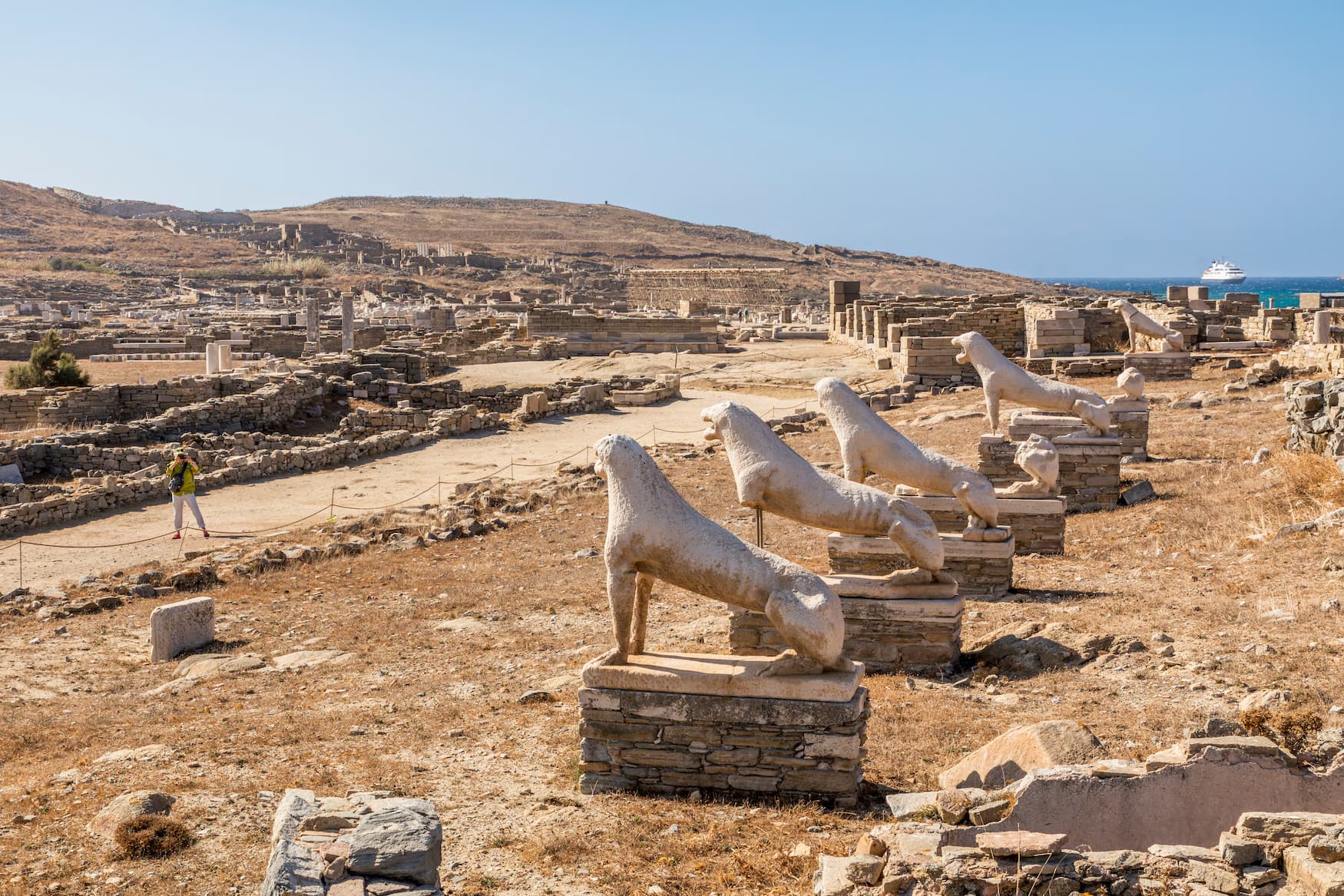
Photo: Andrew Peacock
According to Greek mythology, the island of Delos was the birthplace of the divine twins Apollo and Artemis. That sacred association made this small, rocky island in the Aegean one of the most important religious centers of the ancient Greek world, drawing pilgrims from across the region to worship at the Sanctuary of Apollo. Centuries later, Delos would become a thriving Mediterranean trading port, home to merchants, bankers and shipowners from far beyond Greece.
Today, virtually the entire island is an archaeological site, with remarkably extensive ruins tracing thousands of years of Aegean history. On our expeditions through the Greek Isles, you'll have the opportunity to walk among ancient temples, homes and public spaces, including the Sanctuary of Apollo and the famous Terrace of the Lions, whose marble guardians have watched over the sacred precinct since antiquity.
Explore Delos on:
Crossroads of the Ancient World: Exploring Greece and Turkey
Greek Isles Odyssey: Mythology, History and Cerulean Seas
Epic Mediterranean and Greek Isles Voyage
Crossroads of the Adriatic and Aegean: Greece, Croatia and Albania
Coiba National Park, Panama
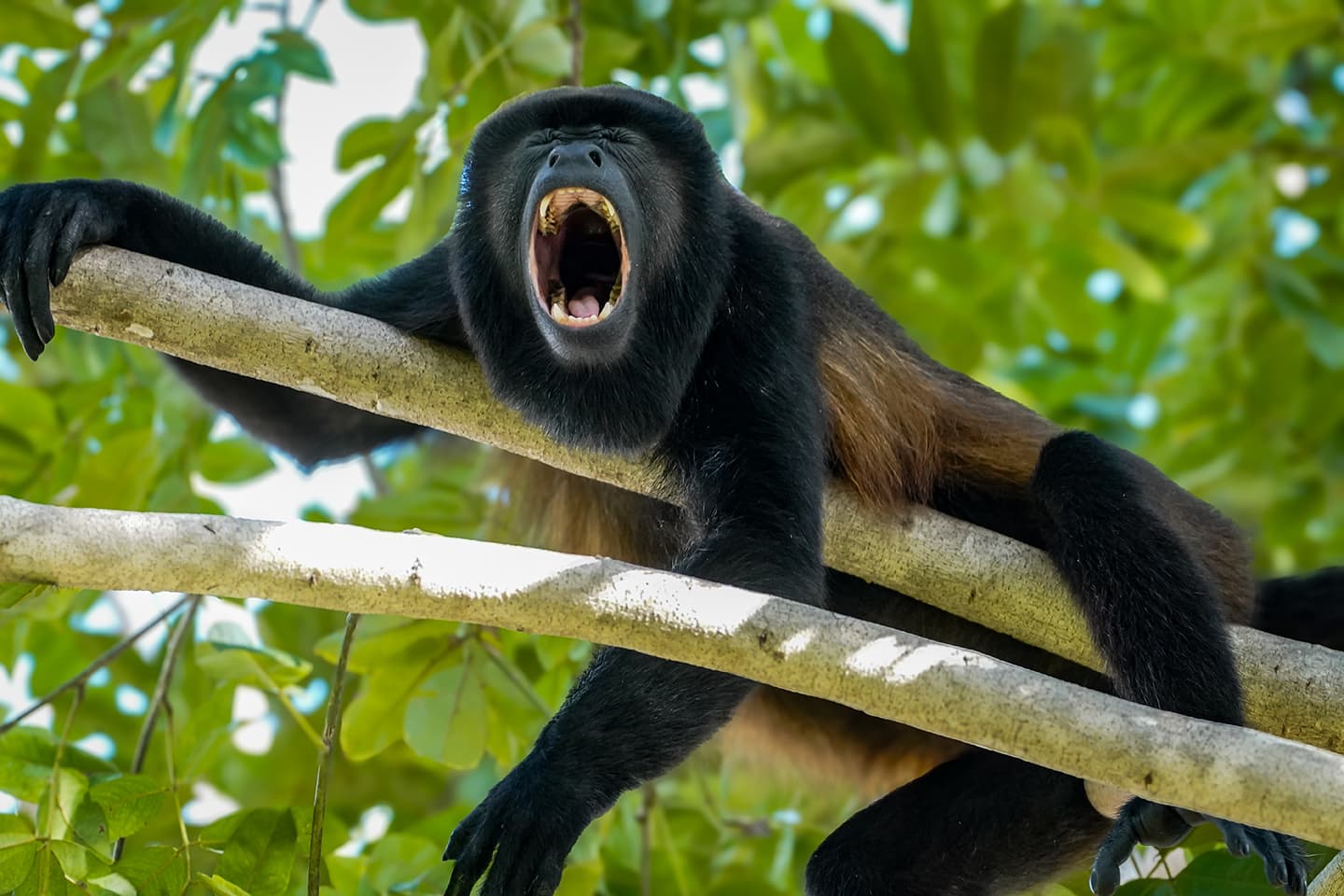
Off Panama’s Pacific coast, remote Isla Coiba rises from the sea in a sweep of dense tropical forest. The island and its surrounding waters form the heart of a protected sanctuary—and exploring here can take you from rainforest to reef in the course of a single day.
Head ashore to search for wildlife among the tangled greenery, including the endemic Coiba Island agouti, as well as mantled howler monkeys and scarlet macaws. Then slip beneath the surface with a mask and snorkel to encounter sea turtles, rays, sharks and swirling schools of fish. Coiba’s extraordinary biodiversity surrounds you here—overhead, underfoot and beneath the waves.
Explore Coiba National Park on:
Panama and Costa Rica’s Pacific Coast: A Central America Odyssey
Costa Rica and the Panama Canal
Quito, Ecuador
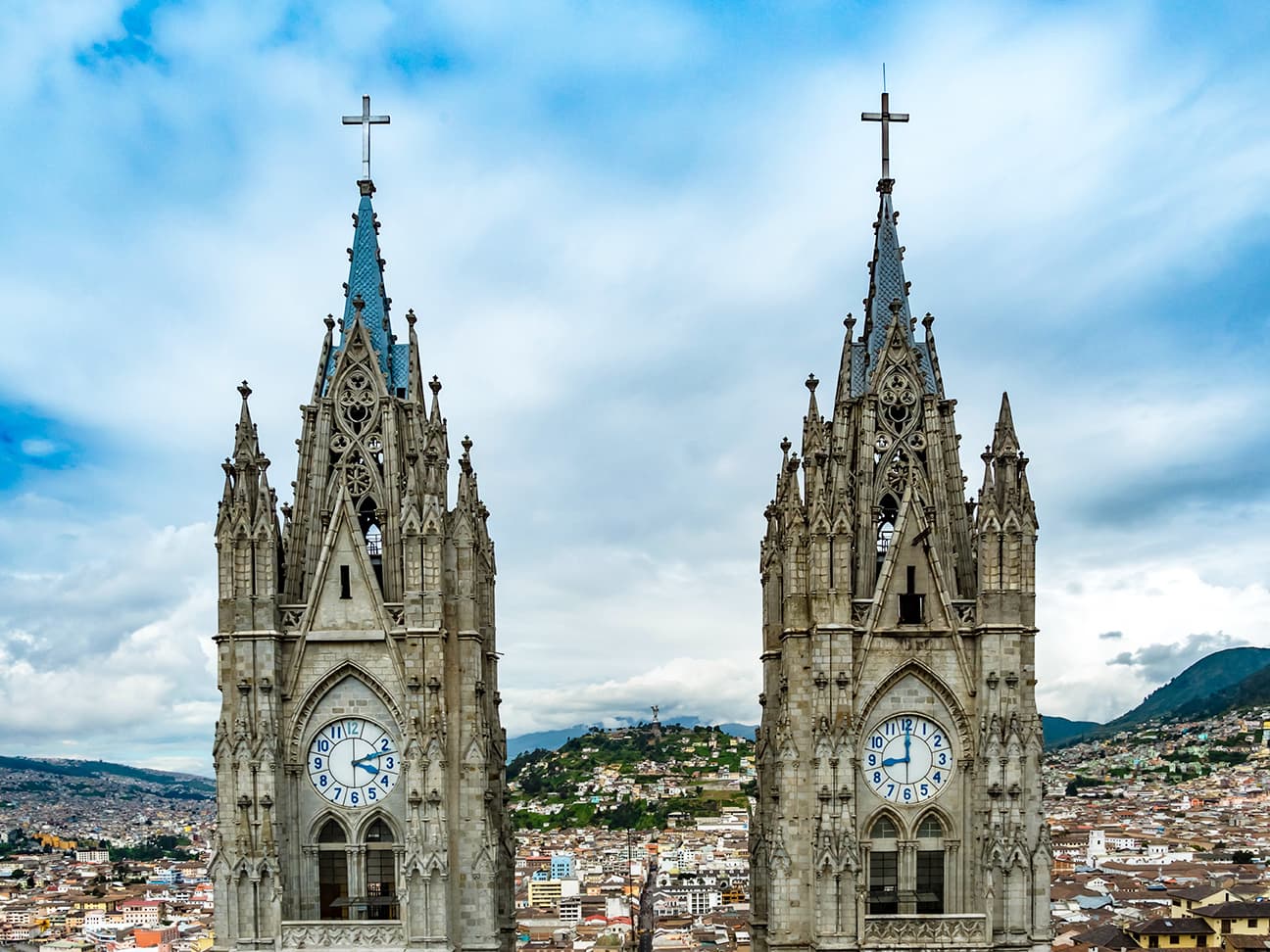
Photo: Ralph Lee Hopkins
When UNESCO inscribed the first World Heritage sites in 1978, Quito was among them—one of just 12 places on the inaugural list, alongside the neighboring Galápagos Islands. Nearly half a century later, it’s easy to understand why.
Set high in the Andes on the slopes of Pichincha Volcano, Quito holds one of Latin America’s best-preserved historic centers. Wander its checkerboard streets and plazas, then step inside its churches and monasteries to discover lavish interiors of carved wood, gilded altars, paintings and sculpture. They showcase the celebrated Quito School, which fused Indigenous and European traditions into a distinctive expression of Andean Baroque.
For travelers bound for the Galápagos, an extension to Quito offers a fitting complement: the chance to experience two members of UNESCO's original class of 1978 in a single journey.
Explore Quito on:
See Quito Pre-Voyage Extension
Tropical Andes and Colonia Quito Pre-Voyage Extension
Quito and Otavalo Post-Voyage Extension
Gyeongju, South Korea
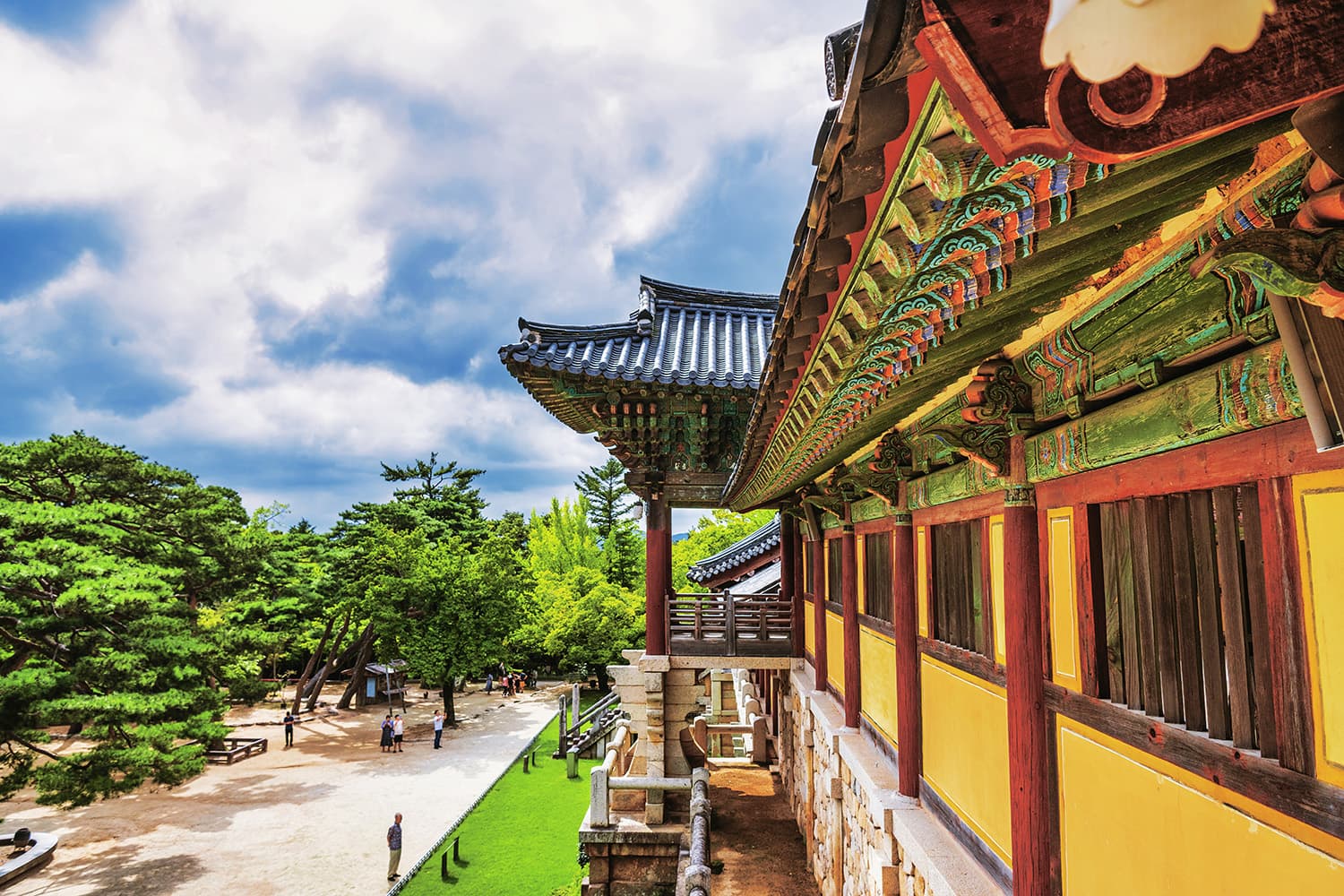
Photo: David Vargas
In Gyeongju, a royal tomb can look like a grassy hill. A forest walk can lead to a centuries-old Buddhist carving. Elsewhere, a curious stone tower turns out to be Cheomseongdae, a seventh-century astronomical observatory. The remains of the Silla kingdom aren’t confined to a single site—they’re scattered across an entire cultural landscape.
For nearly 1,000 years, Gyeongju was the capital of the Silla kingdom. Five UNESCO-designated historic areas preserve its remarkable legacy, from temple and palace ruins to pagodas, sculptures, fortresses and royal tombs. Mount Namsan alone holds the remains of 122 temples, along with dozens of stone statues and pagodas. Exploring Gyeongju becomes a kind of treasure hunt through Korean history, with another piece of the ancient capital waiting around nearly every turn.
Explore Gyeongju on:
Japan’s Western Shores: Ancient Traditions and Natural Beauty
Coastal Japan: Imperial Dynasties and Modern Culture
Bryggen, Bergen, Norway
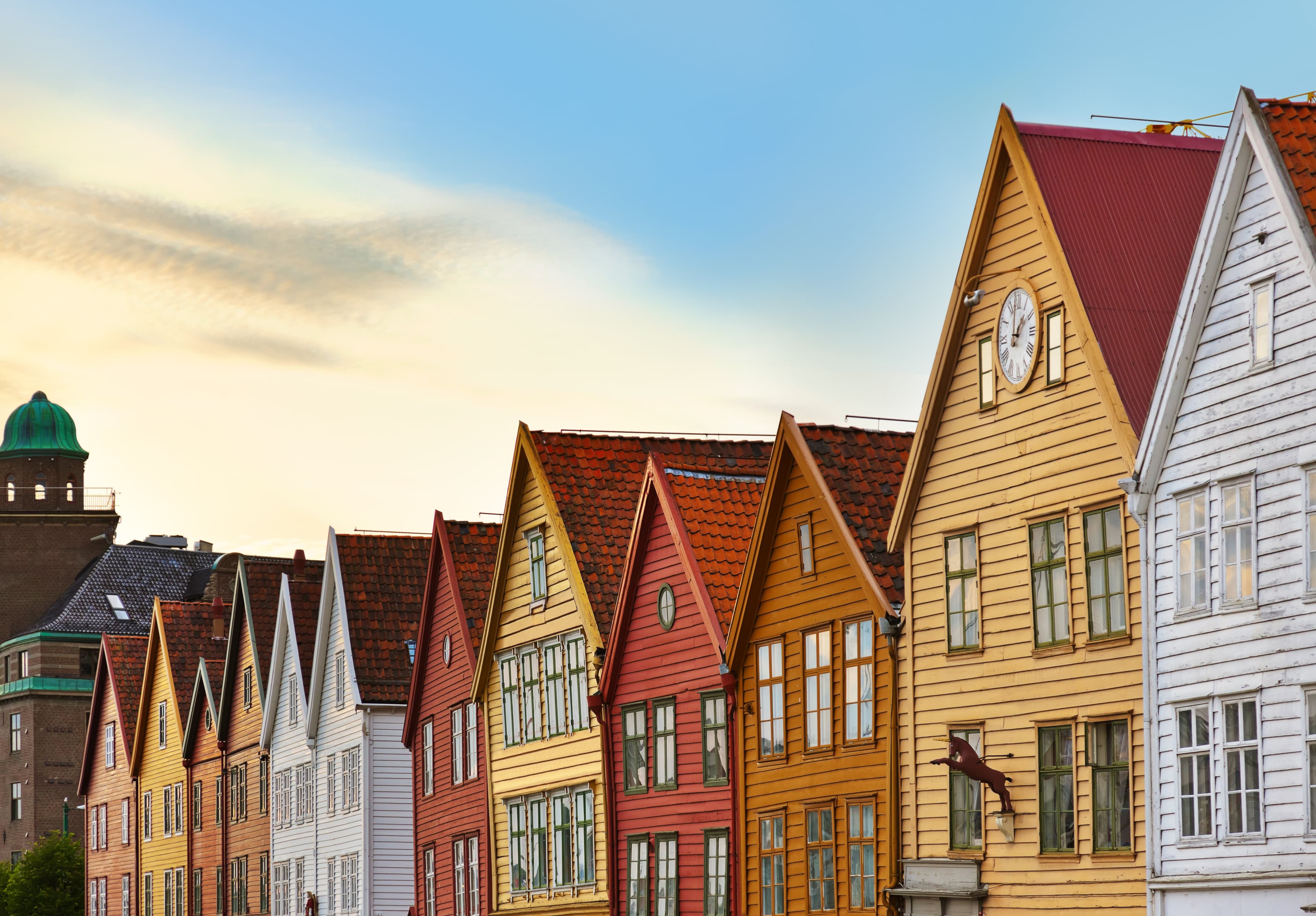
Bryggen's crooked rows of colorful timber buildings make a striking sight against Bergen's harbor. Their beauty, though, is partly the result of remarkable persistence. Fire repeatedly tore through this densely built wooden quarter over the centuries, and each time it rose again, rebuilt according to the old patterns and traditions.
The wharf traces its history to Bergen's emergence as a major center of North Sea trade and, later, to the German merchants of the Hanseatic League who established their trading offices here. Wander between the narrow façades and into the wooden passages tucked behind the waterfront and Bryggen begins to reveal itself as more than Bergen's postcard view: It's a surviving fragment of the commercial network that once linked ports across medieval Europe.
Explore Bryggen on:
Norway's Fjords and Arctic Svalbard
Glacier Bay National Park, Alaska
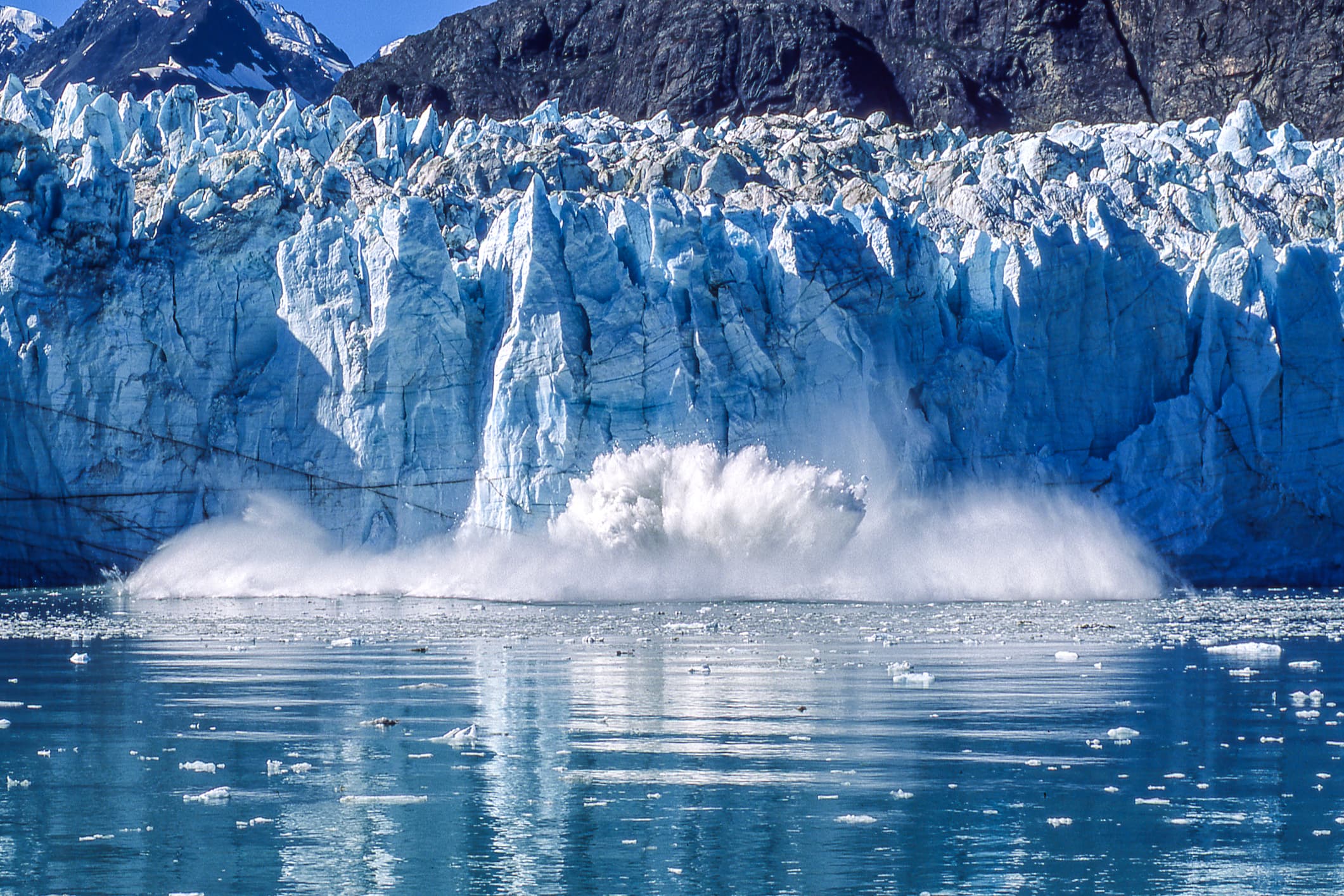
In Glacier Bay, the sight of a calving glacier comes with a dramatic soundtrack. Watch tons of ice break from a glacier’s face and crash into the sea, followed moments later by a distant roar the Huna Tlingit call “white thunder.”
On voyages with National Geographic-Lindblad Expeditions, you can spend a full day sailing among Glacier Bay’s coves and fjords, where tidewater glaciers descend from snowcapped mountains to meet the water and icebergs drift across the surface. The park is part of a vast UNESCO World Heritage site spanning Alaska and Canada that contains the world’s largest non-polar icefield and some of its longest glaciers. Here, those immense forces are still actively shaping the landscape—and from the ship, you have a front-row seat.
Explore Glacier Bay National Park on:
Alaska’s Inside Passage
Treasures of the Inside Passage
Delphi, Greece
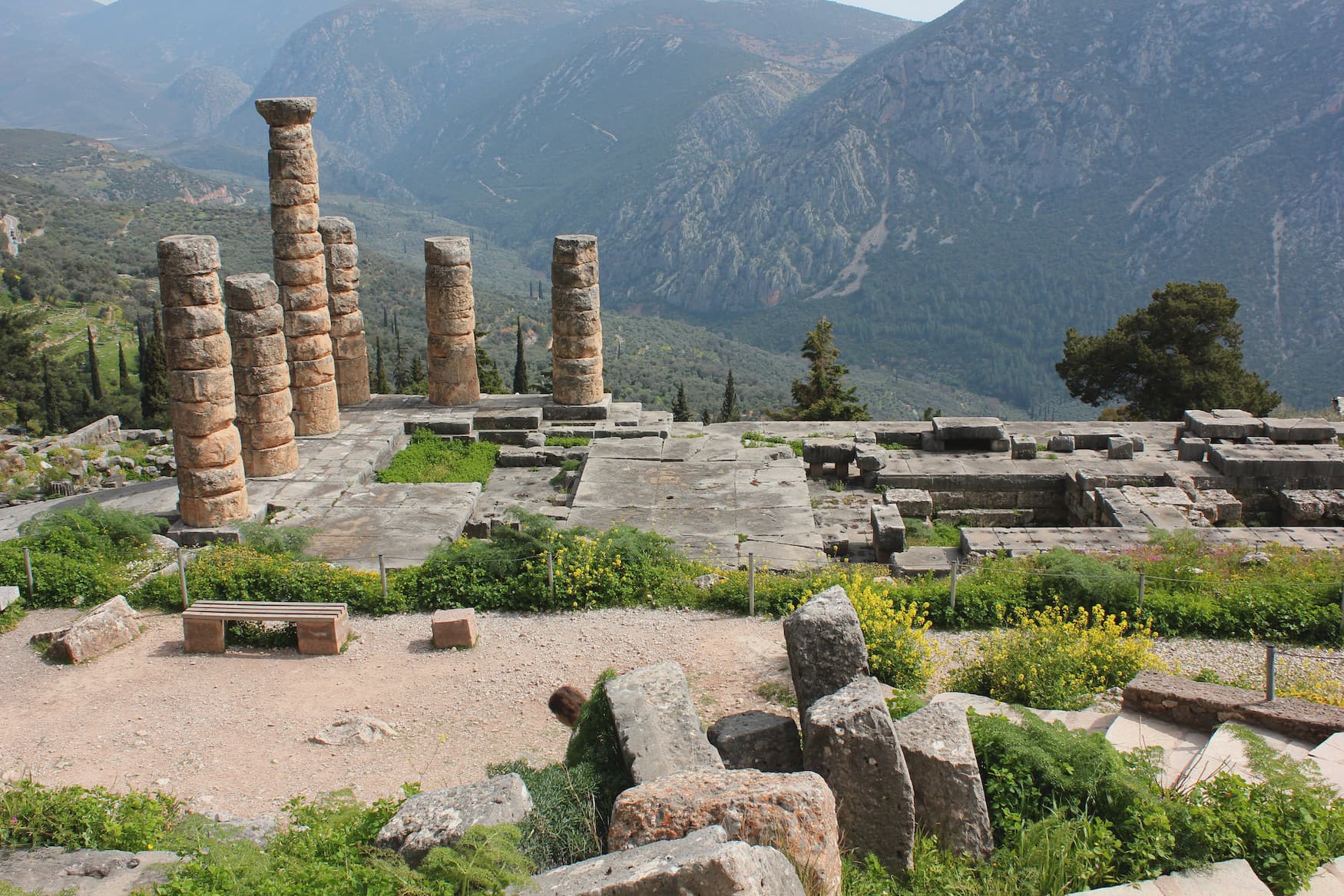
To the ancient Greeks, Delphi wasn't simply a sacred place—it was the center of the world. According to myth, two eagles released by Zeus from opposite ends of the Earth met here, marking Delphi as the omphalos, or “navel of the world.” Set dramatically on the slopes of Mount Parnassus, the sanctuary became one of the most influential religious centers in ancient Greece.
At its heart stood the Temple of Apollo, where pilgrims came from across the ancient world to seek guidance from the Pythia, better known as the Oracle of Delphi. Her prophecies influenced decisions both personal and political, while the sanctuary drew offerings from kings, city-states and other powerful figures. With local guides, explore the temple and other monuments set against the soaring landscape that are inseparable from Delphi's enduring significance.
Explore Delphi on:
Ancient Mediterranean: Exploring Greece, Croatia and Albania
Mediterranean Wonders: Sicily, Greece, Sardinia and Beyond
Epic Mediterranean and Greek Isles Voyage
Crossroads of the Adriatic and Aegean: Greece, Croatia and Albania
Portobelo, Panama
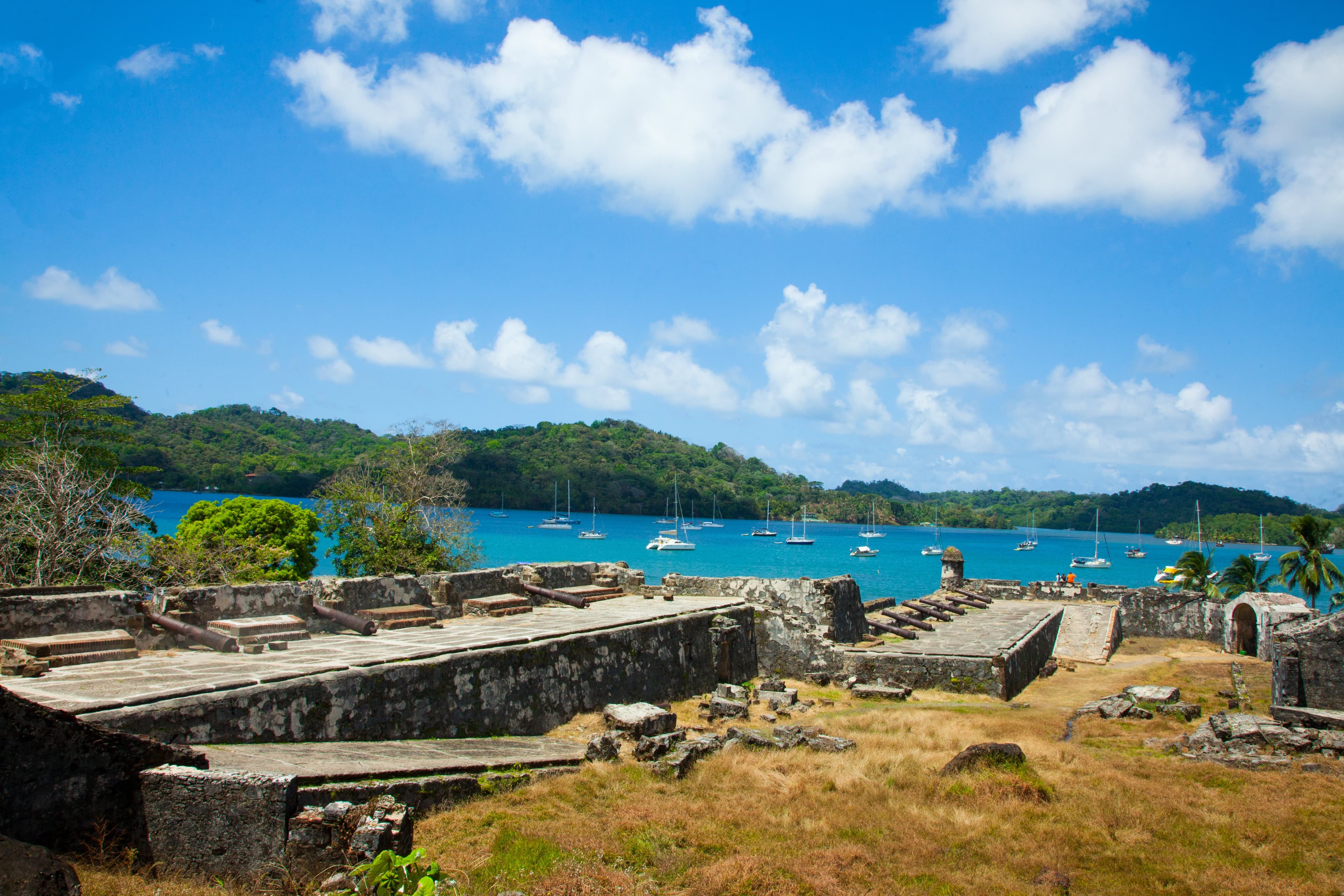
For centuries, immense wealth from Spain’s colonies in the Americas passed through Portobelo on its way across the Atlantic. That made this small Caribbean port strategically vital—and a tempting target for pirates and privateers. To protect it, the Spanish Crown built an elaborate system of forts and batteries around the bay, part of a larger defensive network guarding its transatlantic trade routes.
Today, Portobelo’s centuries-old fortifications are recognized by UNESCO as outstanding examples of Spanish military architecture adapted to a tropical landscape. Explore the forts and old Customs House while hearing tales of the port’s storied past.
Explore Portobelo on:
Inland Costa Rica, the Panama Canal and Pearl Islands
The Panama Canal, Pearl Islands and Darién Jungle
Panama and Colombia: Exploring the Caribbean Coast
Ilulissat Icefjord, Greenland
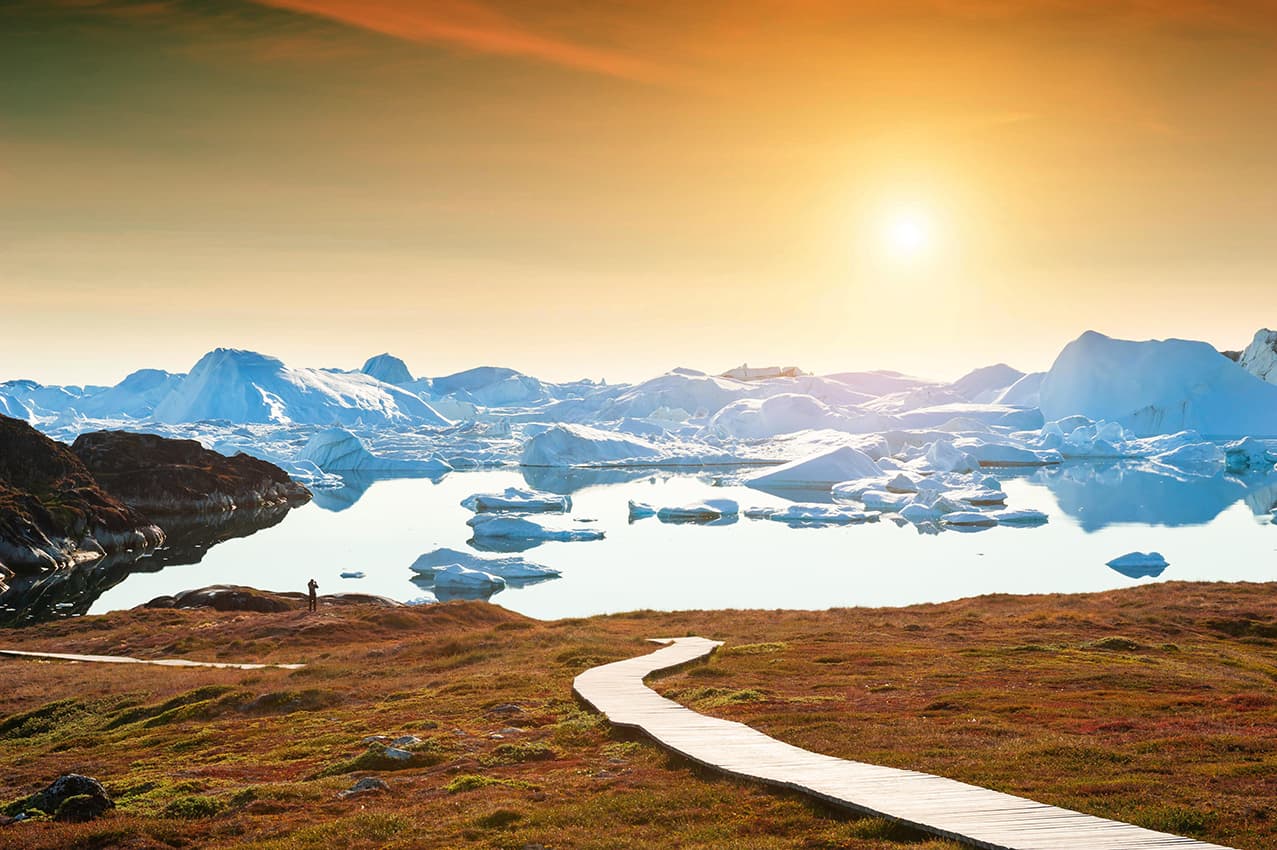
In the Ilulissat Icefjord, ice is always on the move. Sermeq Kujalleq, one of the world’s fastest and most active glaciers, calves more ice than any glacier outside Antarctica, sending immense icebergs into Disko Bay and toward the open ocean. Here, the nimble ships in the National Geographic-Lindblad Expeditions fleet sail among these sculptural forms.
UNESCO recognizes Ilulissat not only for its dramatic beauty, but also for what it reveals about glacial processes and climate: Scientists have studied this extraordinary ice stream for more than 250 years. On expedition, Zodiac cruises and hikes along recently exposed moraines bring you close to a landscape that is visibly—and powerfully—changing.
Explore the Ilulissat Icefjord on:
Fabled Lands of the North: Greenland to Newfoundland
Northwest Passage: Greenland to Alaska
Brimstone Hill Fortress National Park, St. Kitts
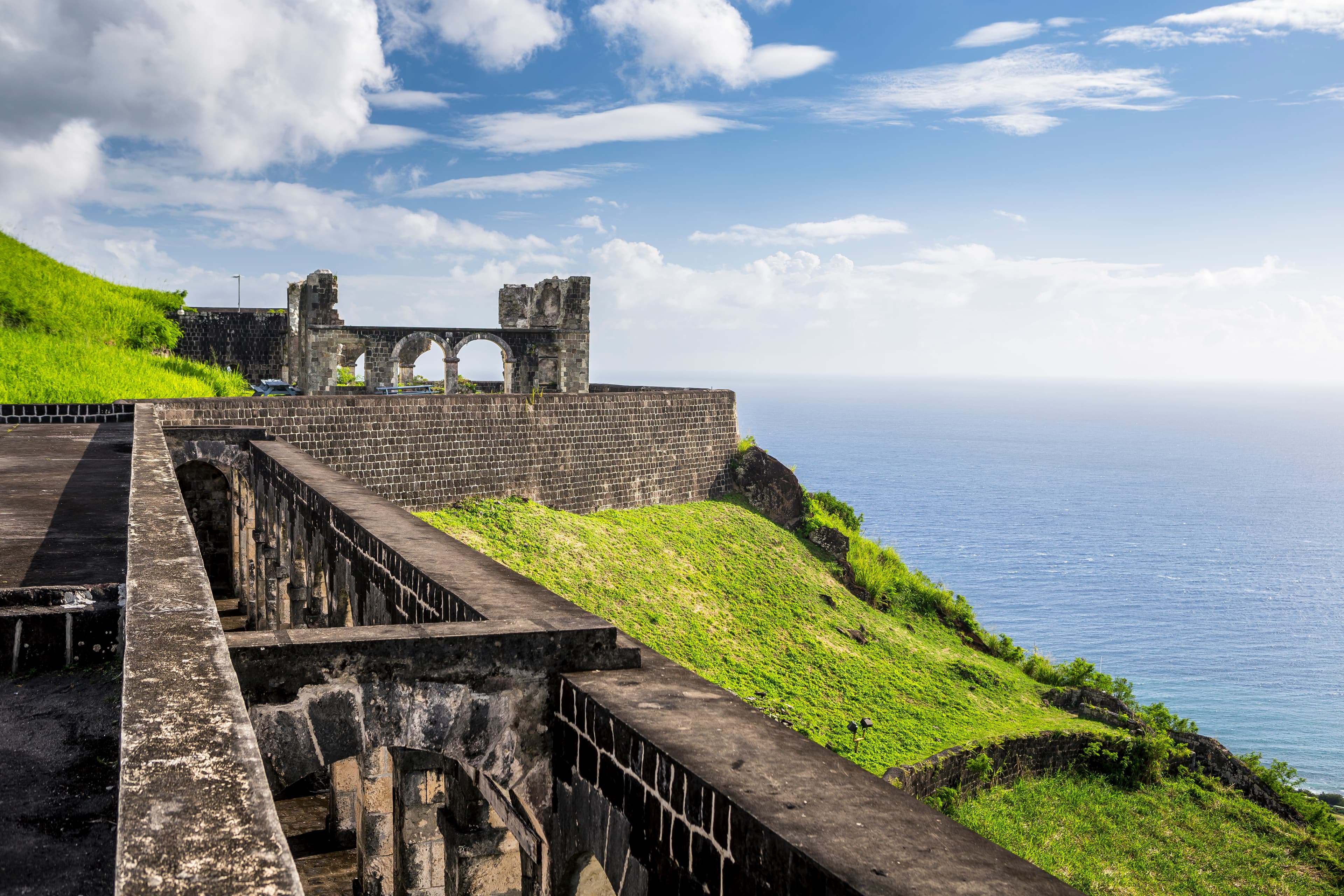
Rising more than 700 feet above the Caribbean Sea, Brimstone Hill was a natural stronghold. Beginning in the 17th century, British military engineers transformed its steep volcanic slopes into an elaborate fortress, using the terrain itself as part of the defense.
The result is one of the Caribbean’s best-preserved examples of colonial military architecture, with bastions, barracks and stone walls terraced across the hillside. But the site also tells a more difficult story: The fortress was built by enslaved Africans during an era of intense European competition and colonial expansion in the region. Explore its remarkably intact fortifications and climb to the Citadel, where sweeping views over St. Kitts and the surrounding sea reveal exactly why this hilltop held such strategic importance.
Explore Brimstone Hill Fortress National Park on:
Antigua to the British Virgin Islands: Hidden Cays and Azure Seas Aboard Sea Cloud II
A Grand Caribbean Voyage Aboard Sea Cloud II
Sailing St. Lucia, Dominica and Beyond Aboard Sea Cloud II
Rhine Gorge, Germany
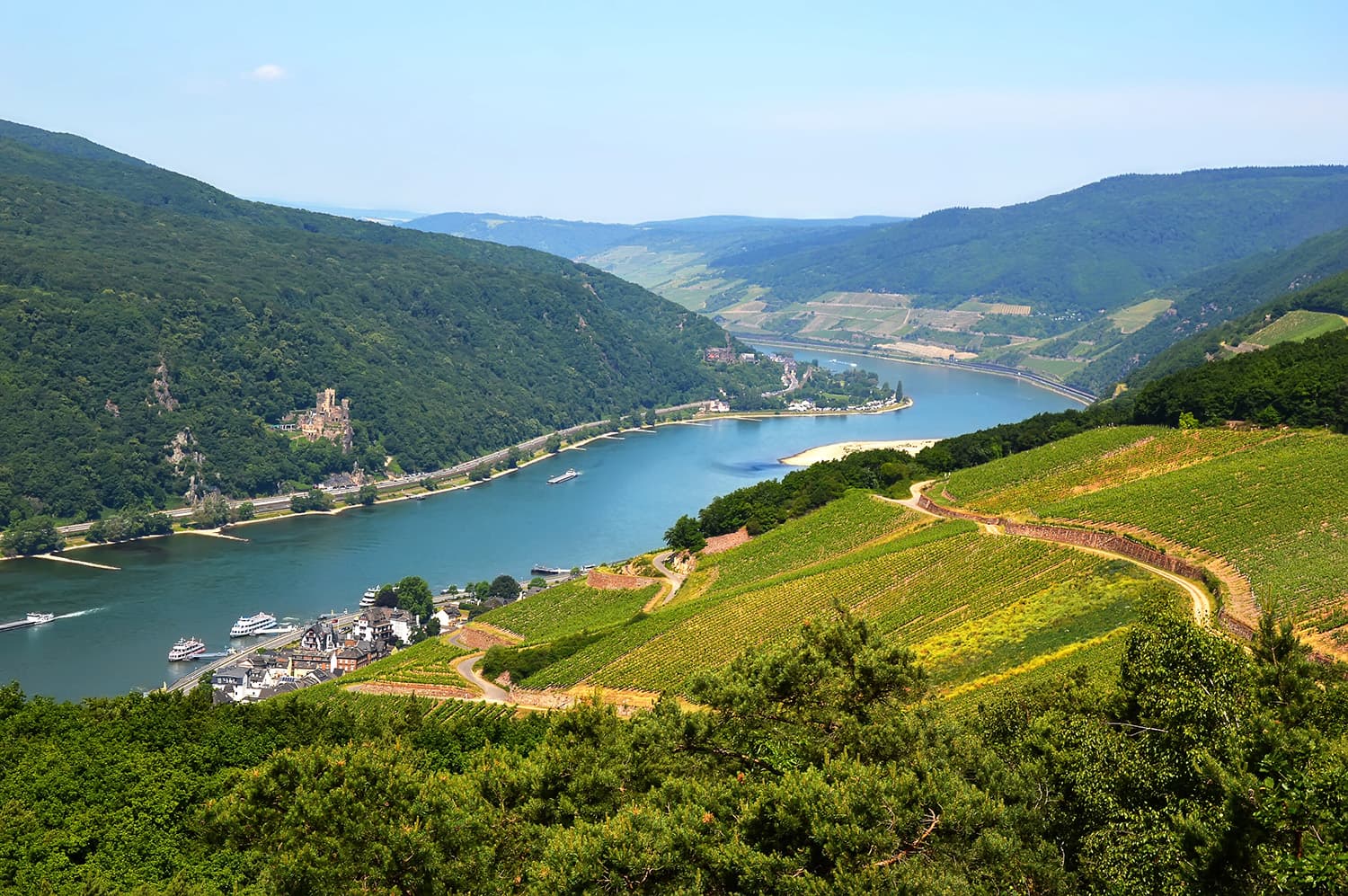
For centuries, the Rhine Gorge has captured the imaginations of poets, painters and composers, its dramatic scenery and hilltop ruins helping inspire the Romantic movement of the 19th century. It’s easy to see why: Along just 40 miles of river, some 40 castles and fortresses rise above steep cliffs, terraced vineyards and historic towns.
Aboard the state-of-the-art Connect, sail through this storied landscape as the Rhine winds between Bingen and Koblenz, following a route that has connected northern and southern Europe for millennia. Vineyards have climbed these steep slopes for more than 1,000 years, while castles once guarded the valuable trade flowing along the river below. As your expedition team brings the history and legends to life, settle in for Frühschoppen—a traditional German mid-morning gathering of local food, drinks and lively camaraderie.
Explore the Rhine Gorge on:
Rhine River: Castles, Culture and Culinary Delights
Gulf of California, Mexico
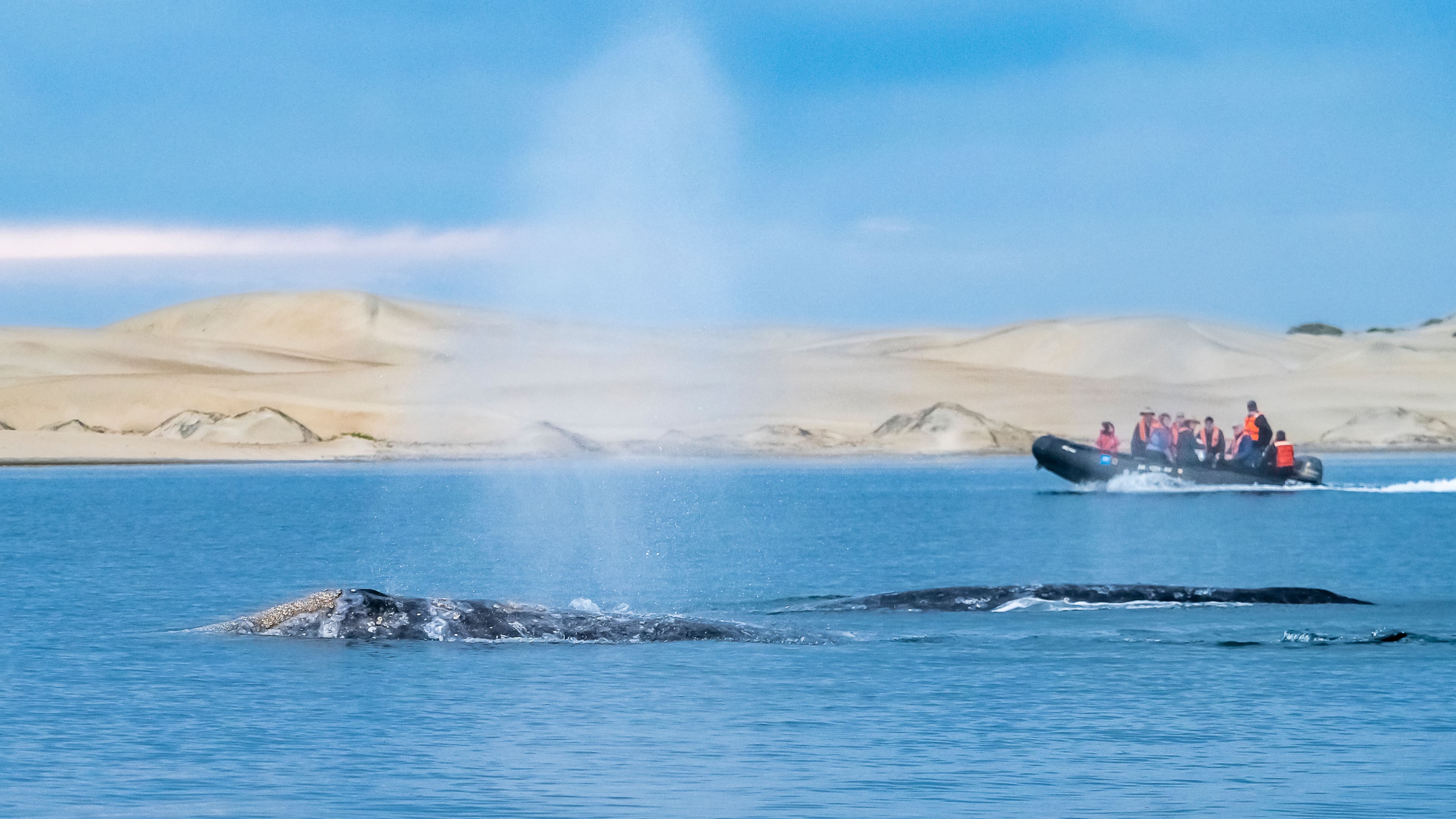
Photo: Ralph Lee Hopkins
The Gulf of California is a study in extremes: Rugged desert islands and monumental cacti rise from brilliant turquoise waters that teem with life. Beneath the surface lies one of the planet’s great centers of marine biodiversity, home to nearly 900 species of fish and roughly a third of the world’s marine mammal species.
Explore this extraordinary meeting of desert and sea by land and water. Snorkel with playful California sea lions, watch for dolphins and whales from the ship or Zodiac, and kayak along remote island shores alive with seabirds. Then head ashore to hike among otherworldly desert flora and volcanic landscapes. Encompassing 244 islands and islets along with surrounding coastal and marine areas, this vast UNESCO site protects the remarkable diversity that has made the Gulf of California a living laboratory for scientists—and an endlessly rewarding place to explore.
Explore the Gulf of California on:
Baja California Discovery: Exploring Mexico’s Gulf of California
Baja California: Among the Great Whales
Baja California: A Living Sea and Desert Isles
Channel Islands National Park to Baja California
Porto, Portugal
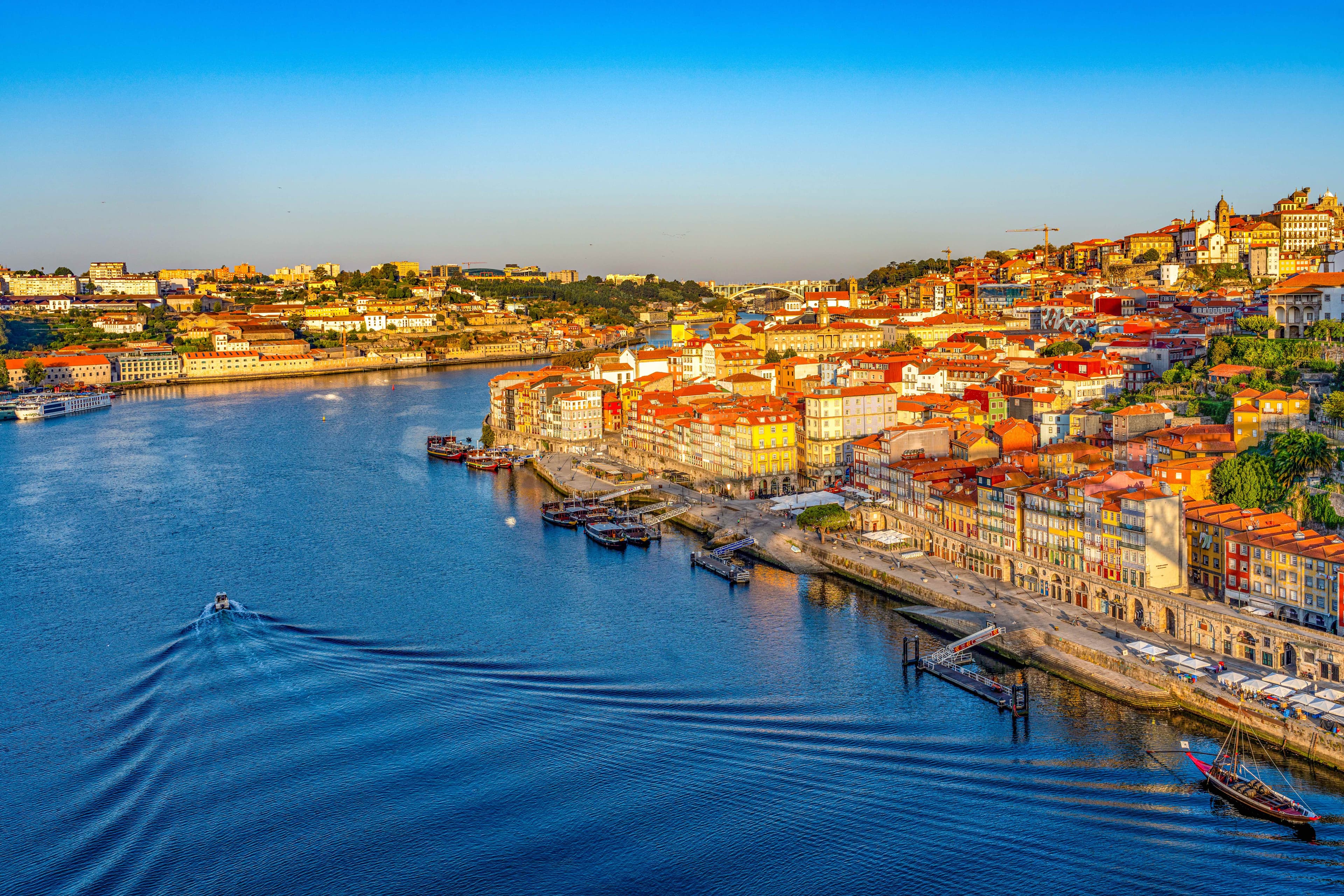
Porto wears 2,000 years of history on its hillsides. Rising above the Douro River, the city preserves layers of architecture that trace its evolution from the Roman port of Portus to the thriving commercial center that gave port wine its name. Romanesque, Gothic, Baroque and neoclassical landmarks mingle within a historic cityscape still shaped by its centuries-old connection to the river and sea.
Explore the steep, winding streets of the Ribeira district, where colorful façades crowd the waterfront and Portugal’s distinctive azulejo tiles brighten churches and public buildings. Elegant bridges span the Douro, including the iconic double-deck Luiz I Bridge, while scenic overlooks reveal the jumble of rooftops, towers and riverfront buildings that make Porto one of Europe’s most memorable urban landscapes.
Explore Porto on:
Portugal, France and the UK: Castles, Coastlines and Cuisine
Porto, Bordeaux and Bergen: Wonders of Western Europe
Celtic Coasts and Iberian Shores: Voyages From Edinburgh to Lisbon
Himeji Castle, Japan
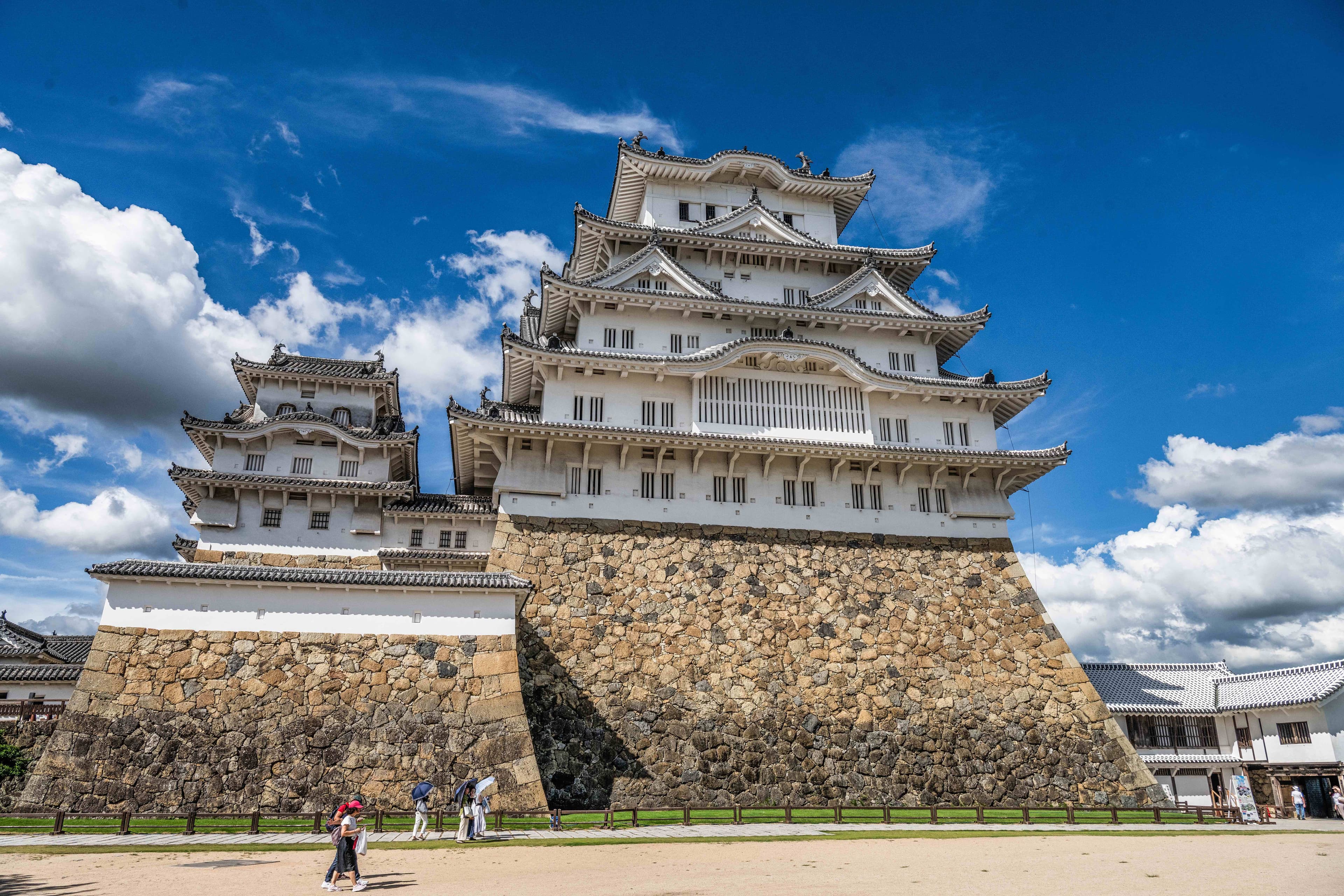
Photo: David Vargas
Known as the “White Heron Castle,” Himeji takes its name from the brilliant white walls and layered roofs said to evoke a bird in flight. Yet behind its elegant appearance lies an ingenious defensive stronghold, designed with fortified gates, stone walls and a maze-like network of passages intended to confuse would-be attackers.
Explore this remarkably intact complex of 82 wooden buildings, considered the finest surviving example of early 17th-century Japanese castle architecture. For nearly three centuries, Himeji served as the center of a feudal domain, and today it preserves the sophisticated craftsmanship and military engineering of the early Shogun period. Rising above the surrounding city, the castle remains what UNESCO calls a “masterpiece” of wooden construction—at once formidable and remarkably graceful.
Explore Himeji Castle on:
Japan’s Western Shores: Ancient Traditions and Natural Beauty
Coastal Japan: Imperial Dynasties and Modern Culture
Kinderdijk Windmills, Netherlands
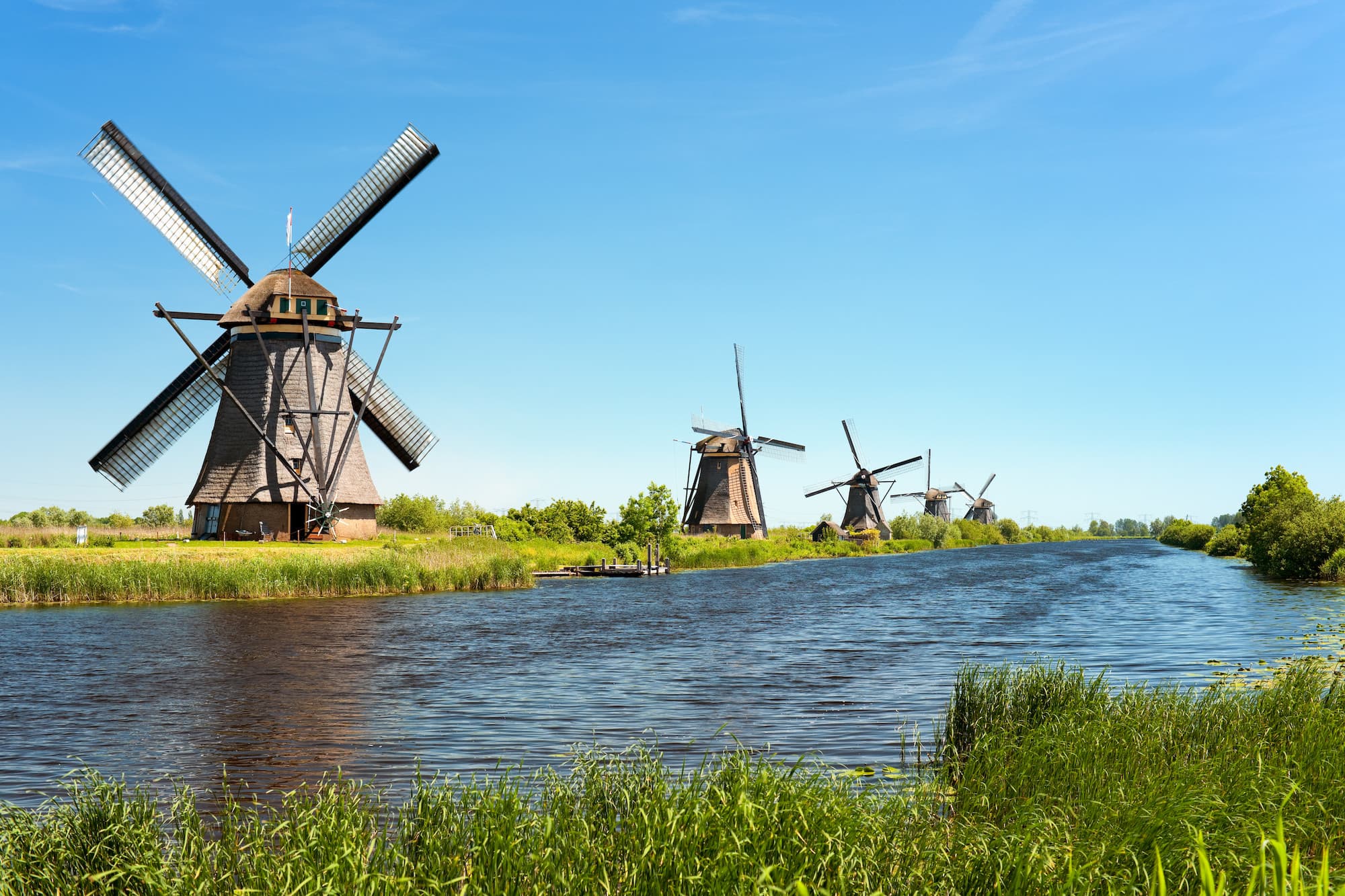
The windmills of Kinderdijk may be among the most iconic sights in the Netherlands, but they were built for a practical purpose: to pump water out of low-lying land and keep it habitable. For centuries, Dutch engineers have refined an ingenious approach to drainage, shaping a landscape that could otherwise be submerged.
At Kinderdijk, 19 beautifully preserved windmills stand alongside dikes, canals, reservoirs, sluices and pumping stations—a network that has evolved since the Middle Ages and continues to function today. UNESCO recognizes the site as an extraordinary testament to Dutch ingenuity and to techniques that would eventually be adapted around the world. On a visit with National Geographic-Lindblad Expeditions, see these historic structures up close and discover the remarkable engineering behind one of the Netherlands’ most distinctive landscapes.
Explore the Kinderdijk Windmills on:
Holland and Belgium: Medieval History and Scenic Waterways
Český Krumlov, Czechia
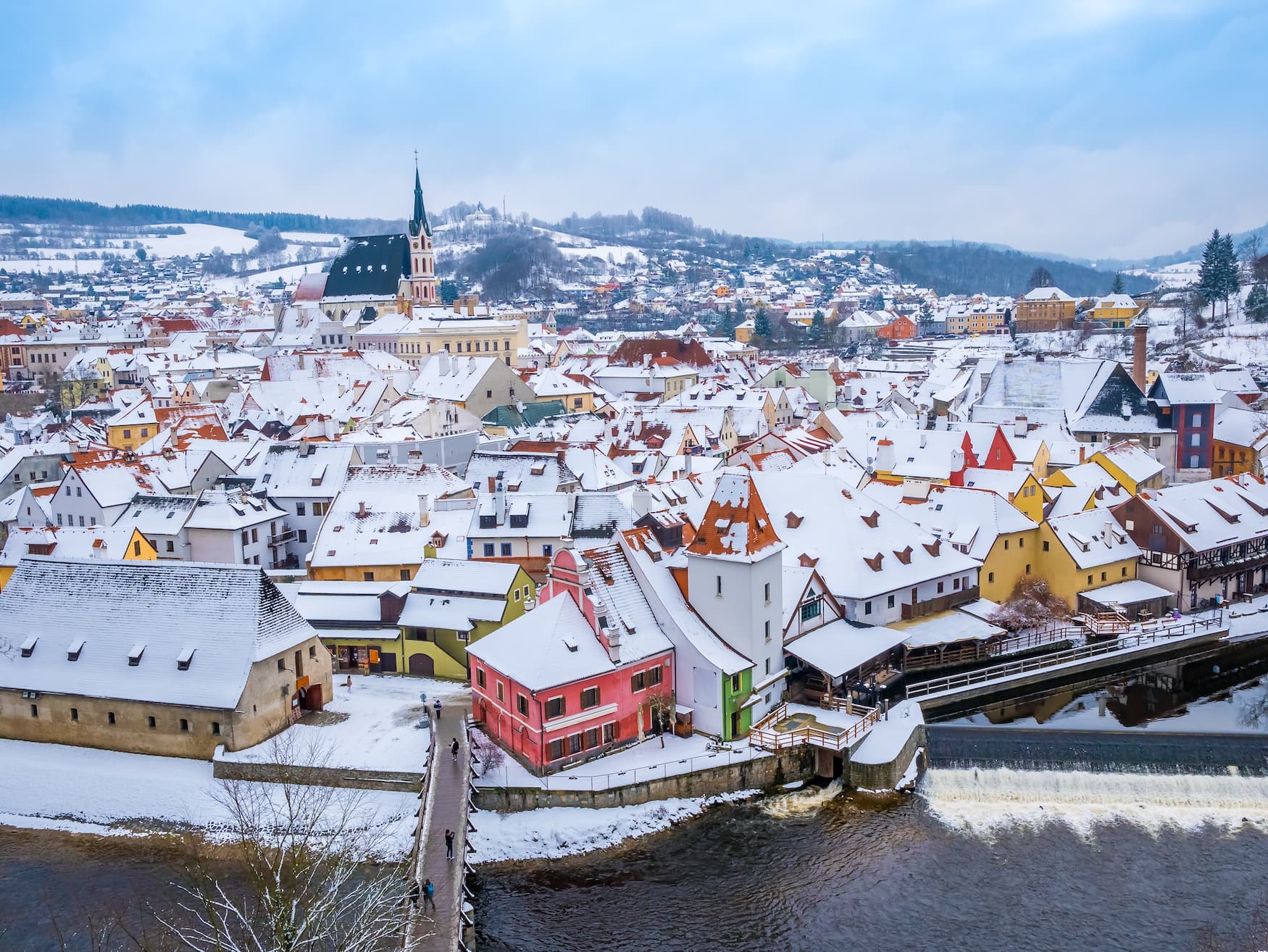
Český Krumlov can feel almost improbably well preserved. Curled into a bend of the Vltava River beneath a 13th-century castle, the town retains its medieval street plan and centuries of Gothic, Renaissance and Baroque architecture—a remarkable legacy of more than 500 years of relatively peaceful evolution.
Follow cobbled lanes past colorful historic façades as the castle and its distinctive tower rise above the rooftops. During the holiday season, festive lights and market stalls add another layer of storybook atmosphere to this remarkably intact town. On Danube river cruises with National Geographic-Lindblad Expeditions, you can explore its winding streets and squares before settling in for a traditional lunch at a local restaurant.
Explore Český Krumlov on:
Christmas Markets on the Danube
Christmas and New Year’s on the Danube: A Holiday Voyage